Skip to content
Table of Contents
Water based spray paint is rapidly becoming the preferred coating solution for homeowners who want safer, low-odor, and environmentally responsible finishes without compromising durability.
Unlike traditional solvent-based paints, water-based formulas use water as the primary carrier, resulting in fewer fumes, faster drying times, and easier cleanup.
Consequently, these coatings are now widely used, from furniture refinishing to cabinetry and interior surfaces. In this guide, we explain what water-based spray paints are, why they matter, how to prepare surfaces correctly, and the most effective application methods to achieve smooth, professional results.
By the end, you will have practical steps and expert insights to work confidently with modern spray systems.
What is Water-Based Spray Paint?
Water based spray paint refers to coatings that use water instead of harsh solvents to disperse pigments and binders. As the paint dries, water evaporates, leaving behind a durable, protective film.
These products include several common types:
- Water based acrylic spray paint
- Water based aerosol spray paint
- Professional-grade water base spray paint for sprayers and HVLP systems
- Multi-surface water based spray paints for wood, metal, plastic, and drywall
Moreover, advancements in paint technology have significantly improved adhesion, hardness, and color retention. Years ago, water-based options were considered less durable; however, modern formulas now rival, and in many cases outperform, solvent-based coatings.
For example, furniture refinishing or interior cabinetry projects often benefit from water-based systems because they produce minimal odor and allow quicker recoat times.
Benefits of Applying Water Based Paint
Choosing the right paint system directly affects health, efficiency, and finish quality. Therefore, switching to water-based options offers several advantages that extend beyond convenience.
Key benefits include:
- Lower VOC emissions and safer indoor air quality
- Minimal odor during application
- Faster drying and curing times
- Easier cleanup with water
- Reduced environmental impact
- Safer storage and handling
Consequently, working in occupied spaces such as homes, offices, or schools prefer water-based spray paints to minimize disruption.
Additionally, regulations in many regions increasingly limit high-VOC products. As a result, water-based systems are becoming the industry standard for compliant and sustainable painting practices.
Best Practices for Applying
Surface Preparation
Preparation remains the foundation of any successful paint job. Even the best coating cannot adhere to dust, grease, or glossy surfaces.
Essential preparation steps include:
- Cleaning with mild detergent or degreaser
- Removing rust or peeling paint
- Light sanding for better adhesion
- Filling cracks or imperfections
- Applying a compatible primer
Moreover, clean and dry surfaces allow water based spray paint to bond effectively, ensuring long-term durability.
Selecting the Right Spray System
The type of sprayer affects coverage and finish quality.
Common options:
- HVLP sprayer: Ideal for furniture and detailed work
- Airless sprayer: Faster for walls or large areas
- Water based aerosol spray paint: Convenient for small or quick touch-ups
Therefore, choosing the correct system saves time and reduces waste.
Choosing the Right Paint Type
Not all paints can be applied to all surfaces.
- Water based acrylic spray paint: Flexible and excellent for wood and interior surfaces
- Multi-surface paints: Suitable for metal or plastic
- Specialty coatings: Heat-resistant or weatherproof options
Consequently, matching paint properties to the surface ensures better results and longer life.
Controlling Environment Conditions
Temperature and humidity significantly influence drying.
Best conditions:
- 50–85°F (10–30°C)
- Low humidity
- Proper ventilation
- Dust-free space
Furthermore, controlled environments prevent defects such as bubbling or uneven finishes.
How to Apply Water-Based Spray Paint: Step-by-Step Guide
Below is a straightforward process for applying water based spray paints effectively.
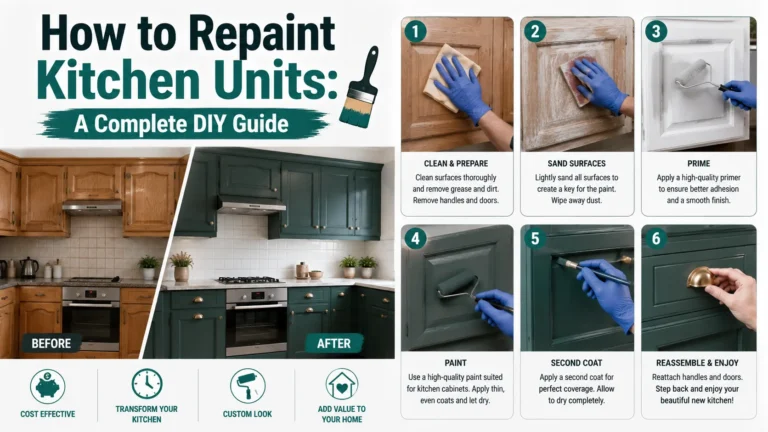
Step 1: Prepare the Area
Cover floors, furniture, and nearby surfaces. Ensure ventilation.
Step 2: Clean and Sand
Remove dirt and scuff glossy areas to improve grip.
Step 3: Prime (If Needed)
Use a compatible water-based primer for best adhesion.
Step 4: Thin and Strain
If required, slightly thin paint per manufacturer instructions and strain to prevent clogs.
Step 5: Test Spray
Always test on scrap material to adjust pressure and pattern.
Step 6: Apply Thin Coats
Hold the sprayer 6–8 inches away and use smooth, overlapping passes.
Step 7: Allow Dry Time
Let each coat dry fully before reapplying.
Step 8: Clean Equipment
Wash sprayers immediately with water to prevent buildup.
Consequently, following these steps consistently results in smoother finishes and longer-lasting protection.
Typical Issues in Water Based Spray Paint Application
Although water-based systems are easier to use, certain issues may arise if procedures are rushed.
Frequent problems include:
- Poor adhesion due to inadequate sanding
- Streaks from heavy application
- Overspray buildup
- Clogged spray tips
- Flash drying in hot conditions
However, most of these challenges are preventable with proper technique and equipment cleaning. Therefore, patience and preparation remain essential.
Final Words
Water based spray paint provides a safer, faster, and more environmentally responsible alternative to traditional solvent-based products. With proper preparation, the right equipment, and careful application methods, these coatings deliver smooth, durable finishes suitable for a wide range of surfaces.
Furthermore, as regulations tighten and sustainability becomes a priority, water-based systems will continue to lead the painting industry. Therefore, adopting these methods not only improves results but also supports healthier and more efficient projects.
By following the preparation and application techniques outlined above, you can confidently achieve professional-quality outcomes every time.
People also ask
Is water based spray paint durable?
Yes. Modern formulas offer strong adhesion and long-lasting finishes comparable to solvent-based paints.
Can water based spray paints be used on metal?
Yes, when paired with the correct primer, they adhere well to metal surfaces.
How long does it take to dry?
Most coats dry to touch within 20–60 minutes, depending on temperature and humidity.
Do water based aerosol spray paints clog easily?
They can if not cleaned properly. Shaking well and clearing the nozzle after use prevents clogs.
Are water-based paints environmentally friendly?
Generally, yes. They emit fewer VOCs and are safer for indoor use and cleanup.