Skip to content
Kitchen renovations often come with a hefty price tag, and replacing old wall tiles can quickly consume a large portion of the budget. That is why many homeowners ask the same question: Can kitchen tiles be spray painted? The simple answer is yes, but the real answer depends on the condition of your tiles, the products being used, and whether the work is completed professionally.
Recent guidance from home improvement experts confirms that ceramic and porcelain kitchen wall tiles can be successfully painted or spray-painted when properly cleaned, sanded, primed, and coated with specialist products.
Experts also agree that spray painting is generally better suited to wall tiles rather than floor tiles, as floors experience significantly more wear and abrasion.
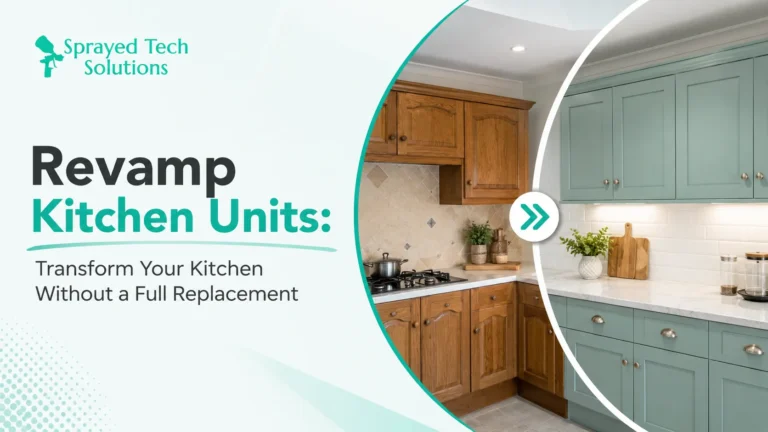
Spray painting offers homeowners a practical way to transform a dated kitchen without the disruption of removing perfectly functional tiles. Instead of creating dust, demolition waste, and expensive labour costs, specialist spray systems apply multiple thin coats that create a smooth factory-like finish. The result can dramatically modernize a kitchen in just a fraction of the time required for a full renovation.
Whether you’re updating cream tiles to crisp white, adding a modern grey finish, or matching your tiles to newly sprayed kitchen cabinets, spray painting has become an increasingly popular alternative for budget-conscious homeowners. Before deciding whether it’s right for your home, it’s important to understand how the process works, its benefits, its limitations, and what kind of results you can realistically expect.
Understanding Kitchen Tile Spray Painting
What Is Tile Spray Painting?
Kitchen tile spray painting is the process of applying specialist adhesion primers followed by high-performance coatings using professional spray equipment rather than traditional brushes or rollers. Unlike ordinary household paint, these coatings are designed specifically to bond with smooth glazed surfaces like ceramic and porcelain tiles.
The spray application creates a much finer finish with fewer brush marks and a more even appearance that closely resembles the original factory finish. Professional sprayers often use multiple light coats rather than one thick layer, allowing the paint to cure evenly and produce a durable surface.
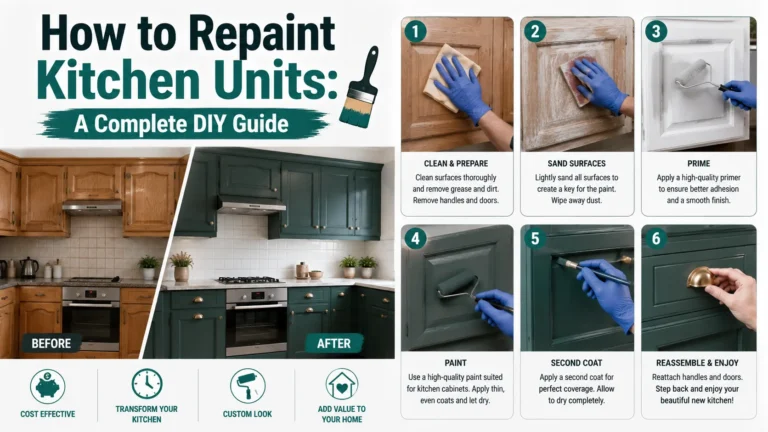
One of the biggest misconceptions is that spray painting simply covers the tile with ordinary paint. In reality, professionals spend far more time preparing the surface than they do applying the coating. Degreasing, removing silicone residue, lightly abrading glossy finishes, repairing damaged grout, masking surrounding surfaces, and applying specialist primers are all critical steps. Skipping even one of these stages can significantly reduce the lifespan of the finish. This preparation allows modern coating systems to adhere effectively despite the naturally smooth, non-porous surface of glazed tiles.
Why Homeowners Choose Spray Painting Over Replacement
Replacing kitchen tiles involves removing existing tiles, repairing walls, installing new adhesive, laying replacement tiles, grouting, sealing, and redecorating surrounding areas. This process often takes several days and creates substantial dust and disruption. Spray painting eliminates nearly all of this mess while keeping structurally sound tiles in place. Homeowners can refresh the appearance of an outdated kitchen at a much lower cost while avoiding demolition work.
Another major advantage is design flexibility. Professional spray companies can colour-match thousands of shades, allowing homeowners to coordinate tiles with cabinets, walls, or worktops. Matte, satin, and gloss finishes are commonly available, providing options for both traditional and contemporary kitchens. Instead of being limited by existing tile colours, homeowners gain far greater control over the overall design without replacing the substrate.
Can All Kitchen Tiles Be Spray Painted?
Ceramic Tiles
Ceramic wall tiles are generally considered the easiest type of kitchen tile to spray paint successfully. Their smooth glazed surface responds well to specialist primers designed for high-adhesion applications. As long as the tiles remain firmly attached to the wall and are free from excessive cracks or moisture damage, ceramic tiles usually produce excellent results after professional spraying.
Condition matters far more than age. A twenty-year-old ceramic tile that remains solidly bonded can often be spray-painted more successfully than a newer tile that is already loose or damaged. Homeowners should inspect grout lines, repair loose grout where necessary, and ensure there is no water penetration behind the tiled surface before considering refinishing.
Porcelain Tiles
Porcelain tiles are denser and less porous than ceramic tiles, making proper preparation even more important. Professional primers specifically formulated for porcelain are essential to create a durable bond. Once prepared correctly, porcelain kitchen wall tiles can also achieve impressive long-term results through spray painting.
Natural Stone and Glass Tiles
Natural stone and glass tiles present greater challenges because their surface characteristics vary considerably. Some polished stones resist adhesion more than ceramic surfaces, while textured stones may produce uneven finishes. Glass tiles require highly specialised primers and coatings. For these materials, homeowners should seek advice from experienced spray painting professionals before proceeding.
Benefits of Spray Painting Kitchen Tiles
Cost Savings
Perhaps the greatest advantage is affordability. Purchasing specialist coatings and hiring professional spray painters usually costs significantly less than removing and replacing an entire tiled splashback. Replacement projects also introduce hidden costs, including plaster repairs, disposal fees, replacement grout, adhesives, and possible plumbing or electrical adjustments. Spray painting avoids many of these expenses while still delivering a dramatic visual transformation.
Faster Renovation
Time matters during any home improvement project. Complete tile replacement may leave parts of the kitchen unusable for several days or even weeks, depending on project complexity. Spray painting is considerably faster because the existing tiles remain in place. Most residential tile spraying projects can be completed within a much shorter timeframe, reducing inconvenience for homeowners.
Wide Range of Colours and Finishes
One of the biggest design advantages is colour flexibility. Modern spray systems can produce thousands of custom colours using recognised colour standards. Homeowners no longer have to search endlessly for replacement tiles that match new cabinets or worktops. Instead, existing tiles become part of the new design through colour transformation alone.
| Feature | Spray Painting | Full Tile Replacement |
| Cost | Lower | Higher |
| Installation Time | Short | Several days |
| Demolition Required | No | Yes |
| Design Flexibility | Excellent | Excellent |
| Dust & Debris | Minimal | Significant |
| Waste Produced | Low | High |
Potential Drawbacks to Consider
Durability Expectations
Spray-painted kitchen wall tiles can provide impressive durability when professionally prepared, but they should not be expected to outperform original factory-fired ceramic glazes. The coating sits on top of the tile rather than becoming permanently fused during manufacturing. Because of this, painted surfaces remain more vulnerable to scratches from sharp objects or aggressive cleaning methods. Several experts also caution against relying on paint for heavily used floor tiles where foot traffic creates constant abrasion.
Homeowners should view spray painting as a high-quality refurbishment rather than a permanent replacement for brand-new ceramic surfaces. Used correctly, however, many professionally sprayed wall tiles continue looking attractive for years with proper care.
Maintenance Requirements
Maintaining sprayed tiles is relatively straightforward but requires a slightly gentler approach than traditional glazed ceramics. Abrasive scouring pads, harsh solvents, and aggressive chemical cleaners should generally be avoided. Soft cloths, non-abrasive cleaners, and prompt removal of grease splashes help preserve the finish for longer.
How Professional Kitchen Tile Spray Painting Works
Surface Preparation
Professional preparation begins with intensive cleaning to remove grease, cooking oils, silicone contamination, soap residue, and dirt. Kitchens accumulate invisible grease over time, particularly around cookers and splashbacks. Even tiny traces of contamination can prevent paint from bonding correctly. After cleaning, glossy surfaces are lightly abraded to improve mechanical adhesion before any primer is applied.
Priming and Spray Application
After preparation, specialist adhesion primers are sprayed or applied before multiple coats of professional coating are added. Each coat must dry according to the manufacturer’s recommendations before the next layer is applied. Spray equipment creates a smooth, consistent finish with minimal texture, which is one reason professional spraying generally produces superior visual results compared with brush painting.
Drying and Curing Process
Although paint may feel dry within hours, full curing takes considerably longer. During this period, homeowners should avoid heavy cleaning, impact, or excessive moisture. Proper curing allows the coating to achieve maximum hardness and adhesion, greatly influencing its long-term durability.
Spray Painting vs Replacing Kitchen Tiles
Choosing between refinishing and replacement depends on your priorities. If your tiles remain structurally sound but simply look outdated, spray painting provides outstanding value. If tiles are cracked, loose, water damaged, or poorly installed, replacement remains the better long-term investment. Homeowners planning a complete kitchen redesign involving new layouts, plumbing relocation, or electrical changes may naturally choose replacement during wider renovation work.
For cosmetic updates alone, however, spray painting often delivers the biggest visual improvement for the lowest overall investment. It also reduces landfill waste by extending the life of perfectly functional materials instead of replacing them unnecessarily.
Is DIY Spray Painting Worth It?
DIY tile painting products have improved considerably, but achieving a professional sprayed finish remains challenging without specialist equipment and experience. Uneven coating thickness, poor masking, incorrect primer selection, and inadequate surface preparation are among the most common reasons DIY projects fail prematurely. Professional spray technicians understand curing times, environmental conditions, coating compatibility, and spray techniques that are difficult for first-time users to replicate.
For homeowners determined to attempt DIY painting, careful preparation becomes even more important than paint selection itself. Testing a small hidden area before committing to the entire kitchen is always advisable.
How Long Does Spray-Painted Tile Last?
Longevity depends on the quality of preparation, the coating system, cleaning methods, and the level of kitchen use. Properly prepared wall tiles sprayed with specialist coatings can remain attractive for many years, particularly in lower-impact splashback areas. Several professional spray companies also provide warranties for colour stability, although peeling guarantees may vary by tile type because coatings sit on top of glazed surfaces rather than chemically bonding to them.
Routine maintenance plays a major role in lifespan. Avoiding abrasive cleaners, cleaning grease promptly, and preventing repeated impact from cookware all help preserve the finish. Kitchens subjected to heavy commercial-style cooking may experience faster wear than lightly used residential kitchens.
Final Verdict
If your kitchen tiles are securely fixed, free from major damage, and simply look outdated, spray painting is an excellent alternative to replacement. Modern coating systems allow homeowners to completely transform the appearance of ceramic and porcelain wall tiles while avoiding the cost, mess, and disruption associated with demolition. Professional preparation remains the single biggest factor determining success, making experienced spray specialists well worth considering.
Spray painting is not a miracle solution for every surface, particularly heavily worn floor tiles or damaged installations that require structural repair. For most kitchen wall tiles, though, it provides an affordable way to modernise your home, customise colours, and extend the life of existing materials.
By understanding both its strengths and limitations, homeowners can confidently decide whether this increasingly popular renovation method is the right fit for their kitchen.
FAQs
Can ceramic kitchen tiles be spray-painted?
Yes. Ceramic wall tiles are among the best candidates for professional spray painting when properly cleaned, primed, and coated.
Is spray painting cheaper than replacing tiles?
In most cases, yes. Spray painting usually costs considerably less because it avoids demolition, waste removal, and new tile installation.
Can kitchen floor tiles be spray-painted?
They can, but many professionals advise caution because floor tiles experience heavy wear that can shorten the coating’s lifespan.
How long do spray-painted kitchen tiles last?
Professionally prepared wall tiles can last for years with proper care, although longevity depends on preparation quality and maintenance.
Can I clean spray-painted tiles normally?
Yes, but use non-abrasive cleaners and soft cloths instead of harsh scouring pads or aggressive chemicals to protect the finish.