Skip to content
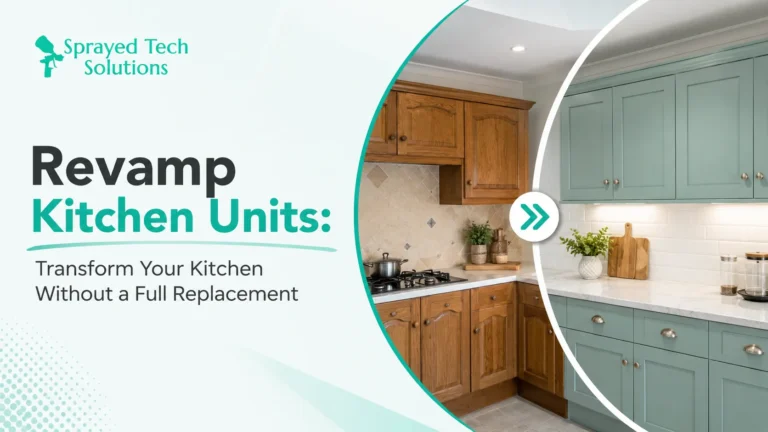
A tired kitchen doesn’t always mean you need a complete renovation. For many homeowners across the UK, replacing perfectly functional cabinets simply isn’t a sensible investment. That’s why two affordable alternatives, kitchen respraying and vinyl kitchen wrapping, have become increasingly popular. Both methods dramatically transform outdated cabinets without the disruption of removing your existing kitchen. The big question, however, remains: Is it cheaper to respray or wrap a kitchen?
The short answer is that kitchen wrapping is usually the cheaper option upfront, while kitchen respraying often delivers better long-term value because of its premium finish and durability. Recent UK pricing shows that professional kitchen wrapping generally costs around £650–£2,500, depending on kitchen size, whereas professional respraying typically ranges from £1,200–£2,800. Both are significantly less expensive than installing a brand-new kitchen, which commonly starts at £8,000 and can exceed £20,000.
The right choice depends on much more than price alone. Your cabinet material, desired finish, budget, expected lifespan, and future property plans all influence which solution provides the greatest return on investment.
Throughout this guide, you’ll discover realistic UK costs, durability comparisons, maintenance requirements, and expert recommendations to help you confidently choose between wrapping and respraying.
Understanding Kitchen Respraying
Kitchen respraying is a professional refinishing process that restores existing cabinet doors and drawer fronts using specialist spray equipment and durable coatings. Instead of covering your cabinets with another material, respraying creates an entirely new painted surface that closely resembles a factory finish.
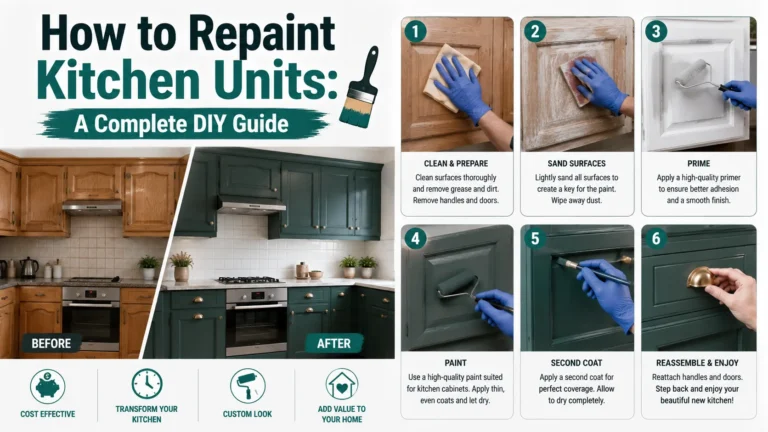
Professional companies carefully remove doors and drawers, clean every surface thoroughly, repair minor imperfections, apply adhesion primers, and spray multiple coats of high-performance paint before reinstalling everything once cured. The result is a smooth, seamless appearance that can completely modernise an ageing kitchen without replacing its structure.
One of the biggest advantages of professional respraying is its versatility. Whether your cabinets are MDF, solid wood, or laminate, experienced technicians can often achieve exceptional results using specialist primers and coatings designed for each material. Unlike traditional brush painting, spray application eliminates brush marks and roller texture, creating a flawless finish that looks professionally manufactured.
Homeowners can also choose virtually any colour, including custom RAL shades and designer paint collections, making it easier to personalise the kitchen without investing in new cabinetry.
How Professional Kitchen Respraying Works
Every quality respray begins with preparation rather than painting. Professionals remove doors, drawer fronts, hinges, and handles before cleaning away grease and contaminants. Surfaces are lightly sanded, repaired where necessary, and coated with bonding primers specifically designed for kitchen cabinets.
Once the primer cures, technicians spray several thin coats instead of one heavy application. This technique creates an even finish while reducing drips, uneven coverage, and premature wear.
Modern HVLP (High Volume Low Pressure) spray systems allow professionals to produce an exceptionally smooth appearance with minimal overspray. After curing, cabinet doors are reinstalled and carefully adjusted to ensure perfect alignment. While the overall process usually takes between five and seven working days, homeowners can often continue using much of the kitchen throughout the project because only the removable components are taken away for spraying.
Materials Used for Long-Lasting Results
Professional kitchen sprayers rarely rely on ordinary household paint. Instead, they use specialist coatings such as polyurethane, acrylic, or advanced water-based cabinet paints formulated for high-traffic environments. These finishes resist moisture, grease, stains, and everyday wear far better than standard wall paint.
Because kitchens experience frequent cleaning, steam, and temperature fluctuations, using premium coatings significantly extends the lifespan of the finish. When maintained properly, professionally sprayed cabinets can continue looking fresh for many years, making the higher initial investment worthwhile for homeowners who prioritise durability over the lowest upfront cost.
What Is Kitchen Wrapping?
Kitchen wrapping is a renovation method that transforms cabinet doors, drawer fronts, end panels, and sometimes worktops by applying a high-quality self-adhesive vinyl film over the existing surfaces. Rather than changing the colour with paint, the vinyl creates an entirely new outer layer that mimics wood grain, stone, concrete, gloss, matte, or metallic finishes.
This approach has become increasingly popular across the UK because it offers a fast makeover with minimal disruption and costs considerably less than replacing a kitchen.
One of the biggest attractions of kitchen wrapping is speed. While a complete kitchen replacement can take several weeks and a professional respray may require several days for preparation and curing, a vinyl wrap installation is often completed within one to three days, depending on the size of the kitchen. Homeowners who need a quick transformation without major disruption often find wrapping an attractive solution.
Professional installers use specialist heat guns, precision cutting tools, and application techniques to stretch and mould the vinyl around corners, edges, and profiles, creating a neat appearance that looks surprisingly convincing when completed correctly.
Modern architectural vinyl has also improved significantly over the past decade. Premium brands manufacture films designed specifically for furniture and interior surfaces, offering excellent resistance to scratches, moisture, and UV exposure. However, despite these improvements, vinyl remains a surface covering rather than a permanent coating.
Over time, heavy use around sink units, oven cabinets, and frequently handled doors may cause edges to lift or show signs of wear if not properly maintained. This difference becomes particularly important when comparing long-term value against professional respraying.
How Vinyl Wrapping Is Applied
The installation process begins with an extensive cleaning stage because grease, dust, and cooking residue prevent proper adhesion. Every cabinet surface must be completely clean and dry before the vinyl is measured and cut. Installers then carefully position the material before gradually removing the backing paper while smoothing the film with specialist tools to eliminate trapped air bubbles.
Corners and detailed profiles require additional precision. Gentle heat softens the vinyl, allowing it to stretch around curved edges without creasing. Excess material is trimmed with precision blades, producing clean joins that are barely noticeable when completed by experienced professionals. Although the finished appearance can be impressive, the quality largely depends on the installer’s experience and the grade of vinyl selected.
Types of Kitchen Wrap Finishes
One major advantage of wrapping is the huge variety of available finishes. Homeowners are no longer limited to simple gloss colours. Today’s premium vinyl collections replicate natural materials with remarkable realism, allowing kitchens to achieve modern designer aesthetics without replacing cabinetry.
Popular options include:
| Finish | Best For | Appearance |
| High Gloss | Contemporary kitchens | Smooth reflective surface |
| Matte | Modern minimalist designs | Soft elegant finish |
| Wood Grain | Traditional kitchens | Realistic timber texture |
| Concrete Effect | Industrial interiors | Urban contemporary style |
| Marble Effect | Luxury designs | Premium stone appearance |
| Metallic | Statement kitchens | Bold modern finish |
Because vinyl is manufactured rather than painted, consistency across every cabinet is generally excellent. Homeowners can also replace the wrap in future if they decide to update the colour again without purchasing entirely new cabinets.
Kitchen Respray vs Kitchen Wrap Cost Comparison
For most homeowners, cost is the deciding factor. While both methods save thousands compared to replacing a kitchen, understanding the full financial picture helps avoid making a decision based solely on the initial quote. Although wrapping usually appears cheaper at first, the overall value depends on durability, maintenance, and expected lifespan.
Recent UK pricing indicates that professional kitchen wrapping generally costs between £650 and £2,500, while professional kitchen respraying usually ranges from £1,200 to £2,800 depending on kitchen size, cabinet condition, number of doors, and chosen finish. These prices remain substantially lower than fitting a completely new kitchen, which frequently costs between £8,000 and £20,000 or more once installation, plumbing, electrics, and worktops are included.
The difference of several hundred pounds may initially make wrapping seem like the obvious choice. However, if a wrap needs replacing after several years while a professionally sprayed finish continues performing well, the long-term cost equation changes considerably. Homeowners planning to remain in their property for many years often discover that investing slightly more upfront can reduce future maintenance expenses.
Average UK Prices in 2026
The following table provides realistic price estimates for professionally completed projects across the UK.
| Kitchen Size | Kitchen Wrapping | Kitchen Respraying | Full Replacement |
| Small | £650–£1,200 | £1,200–£1,600 | £8,000+ |
| Medium | £1,200–£1,800 | £1,600–£2,200 | £12,000+ |
| Large | £1,800–£2,500 | £2,200–£2,800+ | £18,000–£20,000+ |
These figures naturally vary according to cabinet condition, accessibility, colour selection, and regional labour rates, but they provide a realistic benchmark for homeowners budgeting a renovation.
Factors That Affect the Final Price
Several variables influence the total cost regardless of which option you choose. Larger kitchens with more cabinet doors require additional labour and materials, increasing the final quotation. Curved cabinet profiles, damaged surfaces, premium finishes, soft-close hinge adjustments, and integrated appliances may also add to the overall price.
Geographic location plays a role as well. Labour rates in London and the South East are generally higher than in many northern regions. If you’re searching for kitchen sraying manchester, local pricing may differ slightly from national averages depending on demand and the experience of individual contractors. Comparing multiple professional quotations remains the most reliable way to understand the likely investment for your specific kitchen.
Which Option Lasts Longer?
Longevity is often where kitchen respraying begins to justify its higher initial price. A professionally applied sprayed coating becomes part of the cabinet surface rather than sitting on top of it like a removable film. High-quality cabinet paints are specifically engineered to resist scratches, moisture, cleaning products, and temperature fluctuations commonly found in busy kitchens.
A professionally resprayed kitchen can often maintain its appearance for 10 to 15 years or even longer when properly cared for. Small chips can usually be repaired without refinishing the entire kitchen, making ongoing maintenance relatively straightforward. This durability makes respraying particularly attractive for family homes where cabinets experience frequent daily use.
Vinyl wrapping also performs well but generally has a shorter expected lifespan. Premium architectural films typically last around 7 to 10 years, although heavy use around cooker doors, sinks, and high-traffic cabinets may shorten this period. Once edges begin lifting or damage occurs, replacing sections can sometimes prove difficult because older vinyl batches may no longer perfectly match newly installed material.
Durability Comparison
When comparing resistance to everyday wear, both methods perform well, but they excel in different situations. Sprayed finishes resist heat better around ovens and hobs, while quality vinyl performs well against everyday cleaning and moisture, provided edges remain sealed.
Families with children, pets, or busy cooking routines often prefer sprayed finishes because they tolerate repeated handling more effectively. Wrapping remains an excellent choice for lower-traffic kitchens or homeowners planning another renovation within the next decade.
Maintenance Requirements
Both finishes require gentle cleaning with non-abrasive products. Harsh chemicals, scouring pads, and excessive moisture should always be avoided.
Sprayed cabinets generally require little more than regular wiping with a damp cloth and mild detergent. Vinyl-wrapped kitchens benefit from similar care, although homeowners should periodically inspect corners and edges to ensure the adhesive remains secure. Simple preventative maintenance can significantly extend the lifespan of either finish.
Appearance and Finish
When homeowners compare kitchen transformations, appearance often carries just as much weight as cost. After all, the purpose of renovating a kitchen is to create a space that feels fresh, modern, and inviting every single day. Both respraying and wrapping can dramatically improve the look of dated cabinets, but they achieve this in different ways. Understanding these differences helps ensure your investment delivers the visual impact you expect.
Professional kitchen respraying is widely regarded as offering the most premium finish. Because the paint is sprayed in multiple fine coats using specialist equipment, the final result closely resembles the factory finish found on brand-new kitchen doors. There are no visible seams, overlaps, or joints because the paint becomes part of the cabinet itself.
This seamless appearance is particularly noticeable on shaker-style doors, detailed profiles, and larger cabinet panels where consistency matters most. Whether you choose a modern matte black, a timeless satin white, or a bold contemporary colour, the finish appears natural and professionally manufactured.
Kitchen wrapping, meanwhile, excels when homeowners want specialist textures that paint cannot easily replicate. High-quality vinyl can imitate natural oak, walnut, marble, brushed steel, concrete, or carbon fibre with impressive realism. These finishes allow homeowners to achieve designer-inspired interiors without replacing expensive cabinetry.
The only visual limitation is that vinyl must wrap around edges, meaning experienced installers are essential to minimise visible seams and ensure every corner looks neat. When completed professionally, both options look outstanding, but if achieving a flawless painted appearance is the priority, respraying generally has the advantage.
Colour Choices
One of the biggest benefits of respraying is almost unlimited colour flexibility. Professional spray companies can match thousands of RAL, NCS, or custom paint colours, allowing homeowners to coordinate cabinets perfectly with walls, flooring, splashbacks, and worktops. If interior design trends change years later, cabinets can often be resprayed again in an entirely different colour without replacing them.
Vinyl wrapping offers an equally impressive range of finishes but is restricted to colours and textures produced by vinyl manufacturers. While the selection continues to expand every year, exact colour matching may not always be possible. Homeowners should consider whether complete customisation or realistic textured finishes are more important before making a final decision.
Texture and Overall Quality
Texture significantly influences how luxurious a kitchen feels. Sprayed cabinets provide an exceptionally smooth surface that feels solid and integrated because the coating becomes part of the cabinet. The tactile experience closely resembles that of a newly manufactured kitchen.
Vinyl introduces an additional material layer over the existing surface. Premium films feel durable and realistic, especially wood-grain or stone-effect designs, but close inspection may reveal wrapped edges on complex cabinet profiles. This isn’t necessarily a disadvantage, it simply reflects the different construction method. Choosing between the two depends on whether you value seamless painted elegance or textured decorative finishes.
Pros and Cons of Kitchen Respraying
Kitchen respraying has earned an excellent reputation because it balances affordability with premium visual results. Homeowners who want their existing kitchen to look almost brand new often favour spraying over wrapping despite the slightly higher upfront investment.
The advantages include exceptional durability, unlimited colour options, a seamless factory-style appearance, and strong resistance to daily wear when completed professionally. Sprayed finishes are also easier to repair if minor chips occur and can significantly enhance the perceived value of the kitchen. Because no vinyl edges exist, there is no risk of peeling in high-temperature areas around ovens and hobs.
There are, however, a few considerations. Professional spraying usually costs more than wrapping and requires longer preparation and curing times. Weather conditions may also influence project scheduling because humidity and temperature affect paint curing. Choosing an experienced contractor is essential, as poor preparation can reduce the lifespan of the finish.
Pros and Cons of Kitchen Wrapping
Kitchen wrapping remains an excellent solution for homeowners working with tighter budgets or those seeking distinctive decorative finishes. The lower installation cost allows many families to modernise outdated kitchens without committing to the expense of a complete renovation.
Its biggest strengths include rapid installation, minimal disruption, extensive texture options, and affordability. Wrapping is especially attractive for rental properties, investment homes, or homeowners planning another renovation within several years. Because the vinyl sits over the existing cabinets, the process creates very little dust or mess compared with more extensive refurbishment work.
The disadvantages primarily relate to longevity. Even premium architectural vinyl can become damaged by excessive heat, sharp objects, or repeated impact over time. If edges begin lifting, moisture may eventually compromise adhesion. Repairs are sometimes challenging because replacement vinyl may differ slightly from older installations. Although professional wrapping delivers impressive results, homeowners seeking the longest-lasting finish generally find respraying offers greater long-term value.
Which Option Adds More Value to Your Home?
Many homeowners view kitchen improvements as an investment rather than simply an expense. Estate agents consistently identify kitchens as one of the most influential rooms when prospective buyers evaluate a property. An attractive, modern kitchen creates an excellent first impression and can positively affect perceived property value.
Professional respraying often contributes more strongly to resale appeal because buyers typically perceive the cabinets as newly manufactured rather than refurbished. The seamless painted finish complements a wide range of interior styles and suggests quality workmanship. Neutral colours such as white, cashmere, sage green, and soft grey continue to appeal to the broadest audience, making them popular choices for homeowners planning to sell within the next few years.
Kitchen wrapping can also increase visual appeal, particularly when high-quality materials and tasteful finishes are selected. Contemporary wood textures and matte finishes create a sophisticated appearance that photographs well in property listings. If the installation remains in excellent condition, buyers may never realise the cabinets have been wrapped rather than replaced.
Ultimately, either option is far more attractive than leaving outdated cabinets untouched, but respraying generally delivers the strongest impression of permanence and quality.
When Should You Choose Respraying?
Kitchen respraying is the ideal solution when your cabinet doors remain structurally sound but simply look dated or worn. If you want the kitchen to resemble a newly installed one without paying for complete replacement, spraying provides exceptional value. Homeowners planning to remain in their property for many years often appreciate the longer lifespan and lower long-term maintenance requirements.
It is also the preferred option for those who want complete colour freedom or wish to match designer paint collections exactly. If your priority is a flawless, factory-quality finish that enhances your home’s value, professional respraying is usually the smarter investment.
Many homeowners searching for spray painting Manchester choose this option because it combines premium aesthetics with excellent durability at a fraction of the cost of a new kitchen.
When Should You Choose Wrapping?
Kitchen wrapping makes the most sense when budget is the primary concern or when you want to transform the appearance of your cabinets as quickly as possible. It is particularly suitable for rental properties, investment homes, or homeowners who enjoy updating interior styles every few years.
If textured finishes such as wood grain, marble, or concrete are essential to your design vision, wrapping offers options that paint cannot easily replicate. It also provides an excellent temporary solution for homeowners planning a larger renovation later but wanting to refresh the kitchen in the meantime.
Final Verdict
So, is it cheaper to respray or wrap a kitchen?
The answer is yes, kitchen wrapping is generally cheaper upfront. If your goal is simply to refresh tired cabinets while spending as little as possible, wrapping provides impressive results at an affordable price.
However, if you consider durability, finish quality, maintenance, and long-term value, professional kitchen respraying often proves to be the better investment. Although it requires a slightly higher initial budget, the superior appearance and longer lifespan frequently make it the more cost-effective choice over time.
The best decision ultimately depends on your priorities. If you plan to stay in your home for many years and want a finish that closely resembles a brand-new kitchen, respraying is difficult to beat. If affordability and speed matter most, wrapping remains an excellent alternative that can completely transform your kitchen without the expense of full replacement.
Frequently Asked Questions
Is kitchen respraying cheaper than replacing kitchen cabinets?
Yes. Professional kitchen respraying is significantly more affordable than installing a new kitchen while achieving a modern, high-quality appearance.
How long does a professionally resprayed kitchen last?
With proper preparation and maintenance, a professionally resprayed kitchen can last between 10 and 15 years, and often even longer.
Can vinyl-wrapped kitchens be repaired?
Minor damage may sometimes be repaired, but larger tears or peeling sections usually require replacing the affected vinyl panel.
Which option is more environmentally friendly?
Both methods reduce waste by reusing existing cabinets, but respraying often has the advantage because it does not introduce an additional vinyl layer that may eventually require disposal.
Does respraying increase property value?
A professionally resprayed kitchen can improve buyer appeal by giving cabinets a modern, factory-finished appearance, making it a worthwhile investment for many homeowners.