Skip to content
If you are planning to repaint a door, a kitchen, or a room, you have probably wondered: is spray paint cheaper than paint? It is a fair question. Spraying looks quick and modern, but does that speed come with a lower price tag, or does it actually cost more once you add everything up?
In this guide, we will break down the real costs of spray painting versus traditional brush and roller painting. We will look at material costs, time, equipment, and long-term value, so you can decide which option makes more sense for your project and your budget.
Spray Paint vs Traditional Paint: What Is the Real Difference?
Before comparing costs, it helps to understand what sets these two methods apart.
- Traditional paint is applied with a brush or roller, straight from a tin. It needs little extra equipment beyond the basics.
- Spray paint is applied using a paint sprayer, which turns paint into a fine mist for an even, smooth coat.
Both use paint as the main material, but the way it is applied changes how much you spend, how long the job takes, and how the final result looks.
Upfront Costs: Buying Paint vs Buying a Sprayer
Cost of Traditional Painting
With a brush or roller, your main costs are:
- Paint tins
- Brushes and rollers
- Masking tape and dust sheets
- Sandpaper or filler for prep work
These items are cheap and widely available, which is why many people assume brush painting is always the more affordable choice.
Cost of Spray Painting
Spray painting adds a few extra costs on top of the paint itself:
- A paint sprayer (if you do not already own one)
- Extra masking materials, since overspray travels further than a brush
- Paint thinner, as some paints need thinning before spraying
- Cleaning supplies for the sprayer after each use
At first glance, this makes spray painting look more expensive. However, the full picture changes once you factor in paint usage and time.
Paint Usage: Where Spray Painting Can Save Money
One surprising fact is that a well-set-up sprayer can use paint more efficiently than a roller, especially on detailed surfaces like spindles, mouldings, or cabinet doors. A roller often leaves excess paint in corners or on flat areas that do not need it, while a sprayer applies a thin, even coat exactly where it is needed.
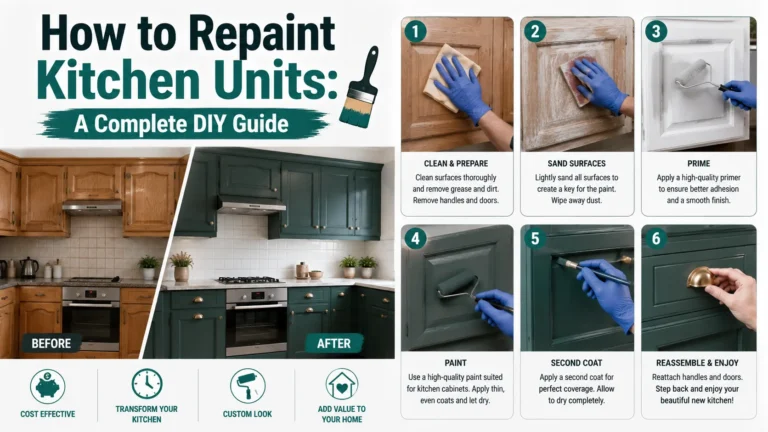
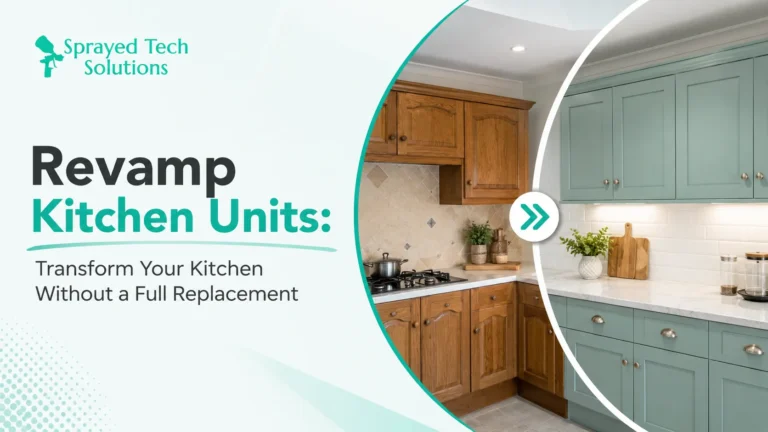
That said, if a sprayer is not adjusted correctly, it can waste more paint than a brush through overspray. This is one reason professional results, like those shown in before and after transformations, often use less paint overall than a DIY attempt, since the equipment is calibrated correctly from the start.
Time Is Money: Labour Costs Compared
If you are paying someone to paint for you, or valuing your own time, this is where the numbers shift significantly.
- Brush and roller painting takes longer per square metre, especially on detailed surfaces like kitchen doors or window frames.
- Spray painting covers the same area much faster, often in a fraction of the time.
For a small DIY job, like painting one wardrobe, the time difference may not matter much. But for a full kitchen, a set of doors, or a large room, spraying can cut labour time dramatically, which lowers the overall cost if you are hiring a professional.
Finish Quality and Long-Term Value
Cost is not only about what you spend today. It is also about how long the result lasts and whether you will need to redo it sooner.
- Spray painting gives a smooth, even, factory-style finish with no brush marks.
- Brush and roller painting can leave visible strokes, which some people do not mind but others find less appealing.
- A smoother, more even coat from spraying can also be more durable, since there are no thick or thin patches that wear unevenly over time.
This is especially true for kitchens and furniture, where an uneven brush finish tends to show wear faster than a properly sprayed surface.
DIY Spraying vs Hiring a Professional
If you already own a sprayer and are comfortable using one, DIY spraying can be a cost-effective choice for small projects. But there are a few risks to keep in mind:
- Mistakes with overspray can damage floors, walls, or nearby furniture.
- Paint may need thinning, and getting the ratio wrong can ruin the finish.
- A poor setup can waste more paint than a brush would have used.
For larger or more visible projects, many people choose to hire a professional team instead. You can browse examples of finished work and read more painting tips and advice on our blog to get a better sense of what is involved before deciding.
So, Is Spray Paint Cheaper Than Paint?
Here is the short answer: it depends on the size and type of project.
- For small, simple jobs, like a single small object, traditional brush painting is usually cheaper, since you avoid the cost of a sprayer.
- For larger or more detailed jobs, such as kitchens, doors, or furniture with many angles, spray painting often works out cheaper overall once you factor in time saved, more efficient paint use, and a longer-lasting finish.
If you are still unsure which route suits your project and budget, it is worth learning more about the team behind the work on our about us page, so you know exactly who you are trusting with your home.
Final Thoughts
Spray paint is not always cheaper than traditional paint, but for many household and furniture projects, it often provides better value once time, paint efficiency, and finish quality are considered. The right choice really comes down to the size of your project, your comfort level with the equipment, and how important the final finish is to you.
If you would like a professional opinion on the most cost-effective option for your specific project, feel free to get in touch with our team or visit our homepage to see the full range of spraying services we offer.
Frequently Asked Questions
Is spray paint always more expensive than brush painting?
Not always. For small, simple jobs, brush painting can be cheaper. For larger or detailed projects, spray painting often saves money through faster application and more efficient paint use.
Does spray painting use more paint than a brush?
Not necessarily. A properly set up sprayer applies a thin, even coat and can actually use less paint than a roller on detailed surfaces, though incorrect settings can lead to overspray waste.
Is it cheaper to spray paint a kitchen than to repaint it with a brush?
For a full kitchen, spraying is often more cost-effective overall, since it is much faster and gives a smoother, longer-lasting finish than brush painting.
Do I need special equipment to spray paint at home?
Yes, you will need a paint sprayer, suitable masking materials, and sometimes paint thinner, depending on the paint type. This adds some upfront cost compared to a basic brush and roller setup.
Is it worth hiring a professional for spray painting instead of doing it myself?
For larger or highly visible projects, hiring a professional spray painting expert often provides better value, since it reduces the risk of mistakes, wasted paint, and an uneven finish.